ÆSTHETIC RITUALISM
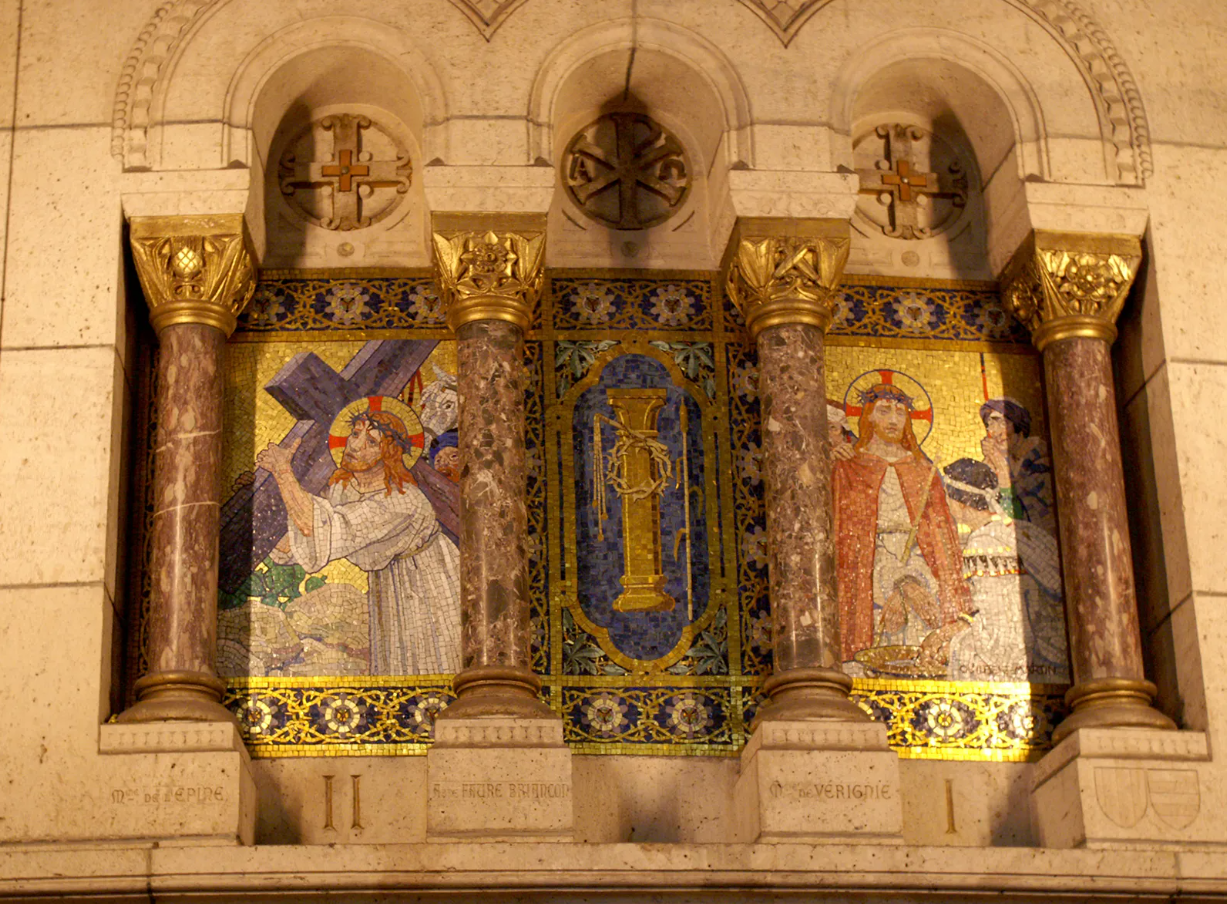
The Stations of the Cross. This somber, silent, contemplative devotion is wonderful for those disposed to grim affect and penitential mood, but these don’t readily describe most children. And yet it might be asked: can “most children” be shepherded into the rich fullness of the Stations? Can the Via Dolorosa inspire awe and repentance even in the young? My church, Christ the King Anglican Church in Marietta, GA, thought so. But how?
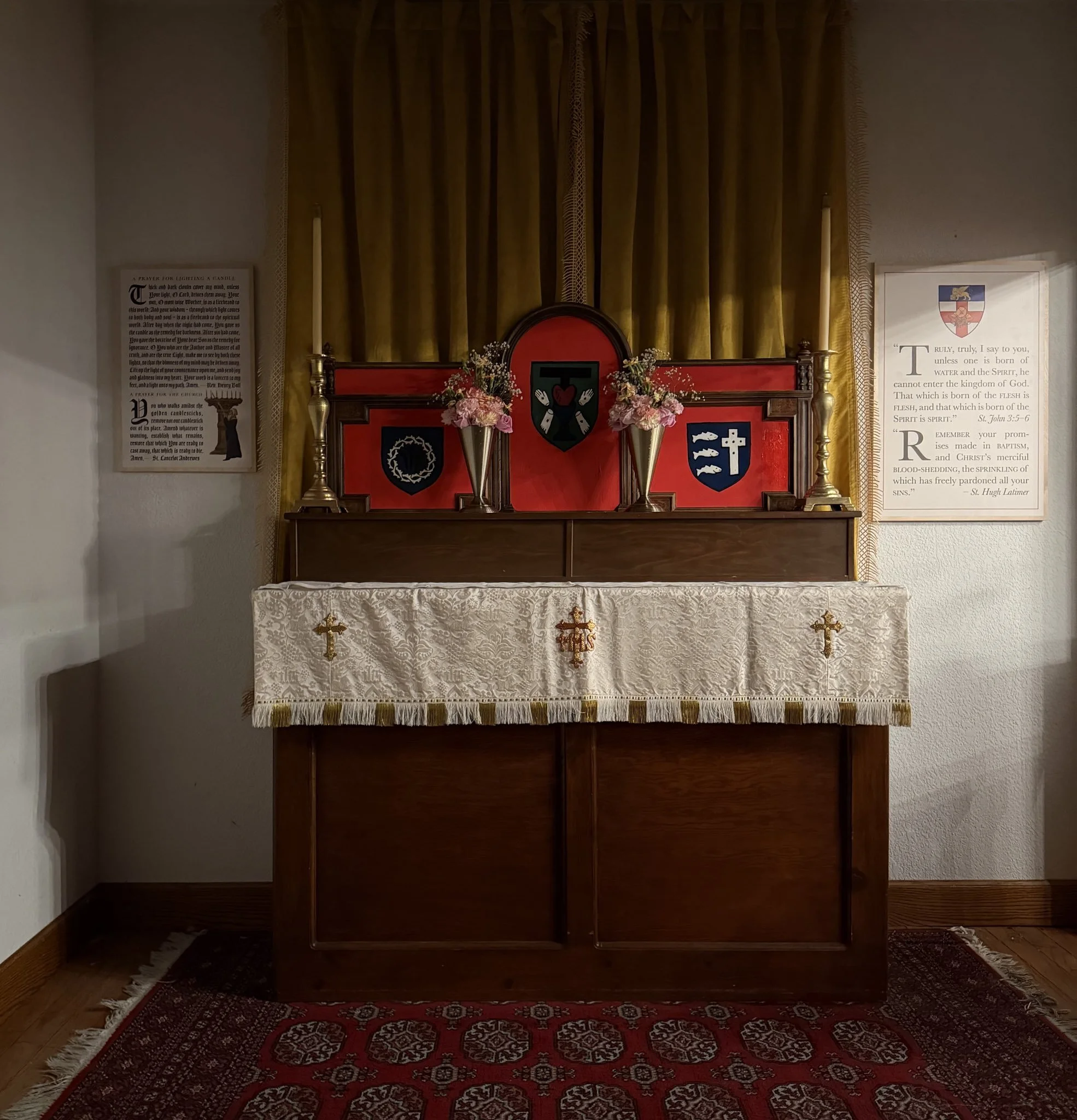
My parish – St. Mark’s, Loomis – has a small side altar which was the altar originally built for the parish. A former rector did not like that it was an eastward-facing (ad orientem) altar, and so he had it cut down the middle so as to make it slim enough to stand behind. Needless to say, its new size made celebrating the Holy Communion quite precarious – even when restored to the eastward position. When I became Rector of the parish, one of the first things done was have a new (larger) altar constructed to replace it. However, we didn’t want to destroy this meaningful piece of parish history, and so it was moved in order to function as a side altar. This did create one small issue: we only had enough accoutrement for a single altar. We would have to acquire all the “stuff,” as it were. We managed candlesticks, some paraments, and a dossal curtain, but I wanted something more. It was around then that I acquired a uniquely shaped headboard which sparked my imagination: it would make the perfect reredos.
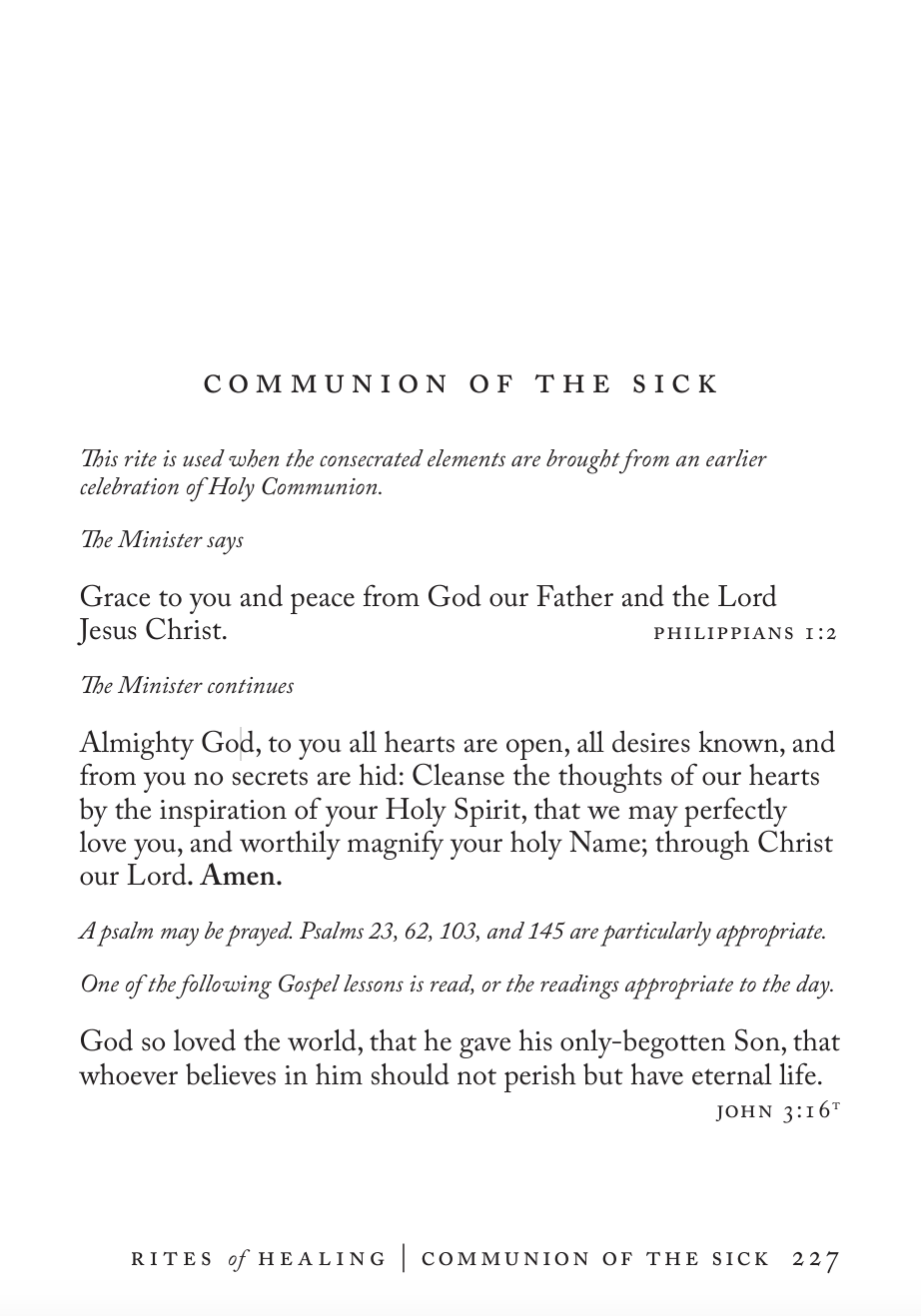
In the absence of regular access to ordained clergy, the need arises for lay distribution of Holy Communion to the Faithful. There are instances where a layperson may need to administer the Sacrament to even entire congregations. Although irregular, it is fortunate that our Prayer Book provides us with a form for such distribution. No doubt those who have read the Prayer Book are aware that the rites for Holy Communion allow – provided certain omissions are made in the liturgy – for the distribution of Communion from the Reserved Sacrament.